My 1.5-year-long experience with the ketogenic diet with supporting research.
Disclaimer
I'm not formally trained in medicine, nutrition, physiology, etc. I don't claim adequate subject-matter knowledge, nor do I blindly recommend this diet for others. I don't have anything to sell. I simply explain why I tried the diet, my experience sticking to it for the past 1.5 years, and some resources I found that inspired me to try it out.
Background
As a kid, my parents worked long hours and weren't particularly wealthy. I wasn't physically active (minus flailing around during my K-8's basketball team practices) and stayed with my paternal grandparents after school until my parents could pick me up at night. That often meant eating foods like frozen pancakes/waffles and boxed cereals in the mornings, quick and easy thermos meals like alfredo pastas and stir-fried noodles for lunch, and Vietnamese staples like Bún bò Huế and Bún chả that my grandmother prepared for dinner. This combination of factors most likely made me overweight as a child, e.g., me at around age 12:

I did end up slimming down quite quickly when I entered high school, possibly due to starting (and absolutely sucking at) cross-country, better food as my mom had more time to learn and cook homemade meals, or simply because of a growth spurt. More specifically, after I had stopped getting taller, I was around 70 kg (or 155 lbs for the impaired). For reference, this was me at around age 14:

Regardless, even after I slimmed down, I struggled with staying lean, avoiding sweets, and, in general, not thinking about food. I would find myself gaining weight even if I indulged in the slightest bit more food, and couldn't stop myself from eating sweets once I had a bite. This was made readily apparent when COVID took over the world, and we were forced indoors. Despite starting to eat healthier (i.e., oatmeal instead of cereal, roasted veggies instead of pastas, etc.) and maintaining some sort of exercise via a push-up board, I quickly gained weight and sat at around 80 kg (175 lbs). This was me at around age 16:

By sheer coincidence, a family friend introduced me to indoor climbing at Movement SF (then named Planet Granite), where I quickly fell in love with the sport. After years of sucking at sports (i.e., baseball, basketball, cross country, taekwondo, golf (if you think it's a sport)) and being reminded about it by peers, coaches, and parents alike, I had not only found a sport I actually enjoyed, but a community that wanted to see each other succeed. I began going to the gym upwards of six times a week, while simultaneously getting more interested in cooking. Shortly thereafter, I returned to my original weight of 70 kg and sat there with relative ease:

Then, after fucking up college applications by forgetting to submit my enrollment payment to Worcester Polytechnic Institute (WPI), by grace (or not, depending on who you ask), I landed at the University of California, Merced (UCM) for a year. While I felt confident with living by myself, the two things I felt were especially awful about living there were 1) the food, and 2) the lack of climbing gyms. To stay sane, I cooked for myself and hang-boarding every day, plus "climbing-specific" exercises in the gym (i.e., wrist/finger curls, weighted pull-ups/isometric holds, etc.), only going to the nearest climbing gym named Alpine in Ripon on the weekends, which was an hour drive away.
I fell back on a diet I thought was healthy (and possibly is, just maybe not the way I did it): oatmeal with protein powder cooked with a pea protein milk for breakfast, and rice with sautéed chicken breasts and veggies for either lunch or dinner, whichever I felt like eating since I also decided intermittent fasting was something I wanted to try. Whenever that wasn't enough (which was often the case), I ate either dried fruits such as dates, figs, and persimmons, or "minimal ingredient" protein bars such as RX bars. Because I had just recently started identifying as a climber and wanted to maintain good shape, I persisted with maintaining this calorie intake and fought every urge to eat more with a passion.
As a result, I had lost quite a bit of weight, down to 64 kg (140 lbs). I was not satiated at the end of every meal, nor even close to satiety between meals. At the same time, I struggled to maintain my climbing grade, felt generally weaker, and sustained my first-ever major climbing injury: a pulley strain on my left middle finger that required months of rehab to get back in order. Whether that's due to diet, exercise, etc., is not certain, but it seemed at the very least related.
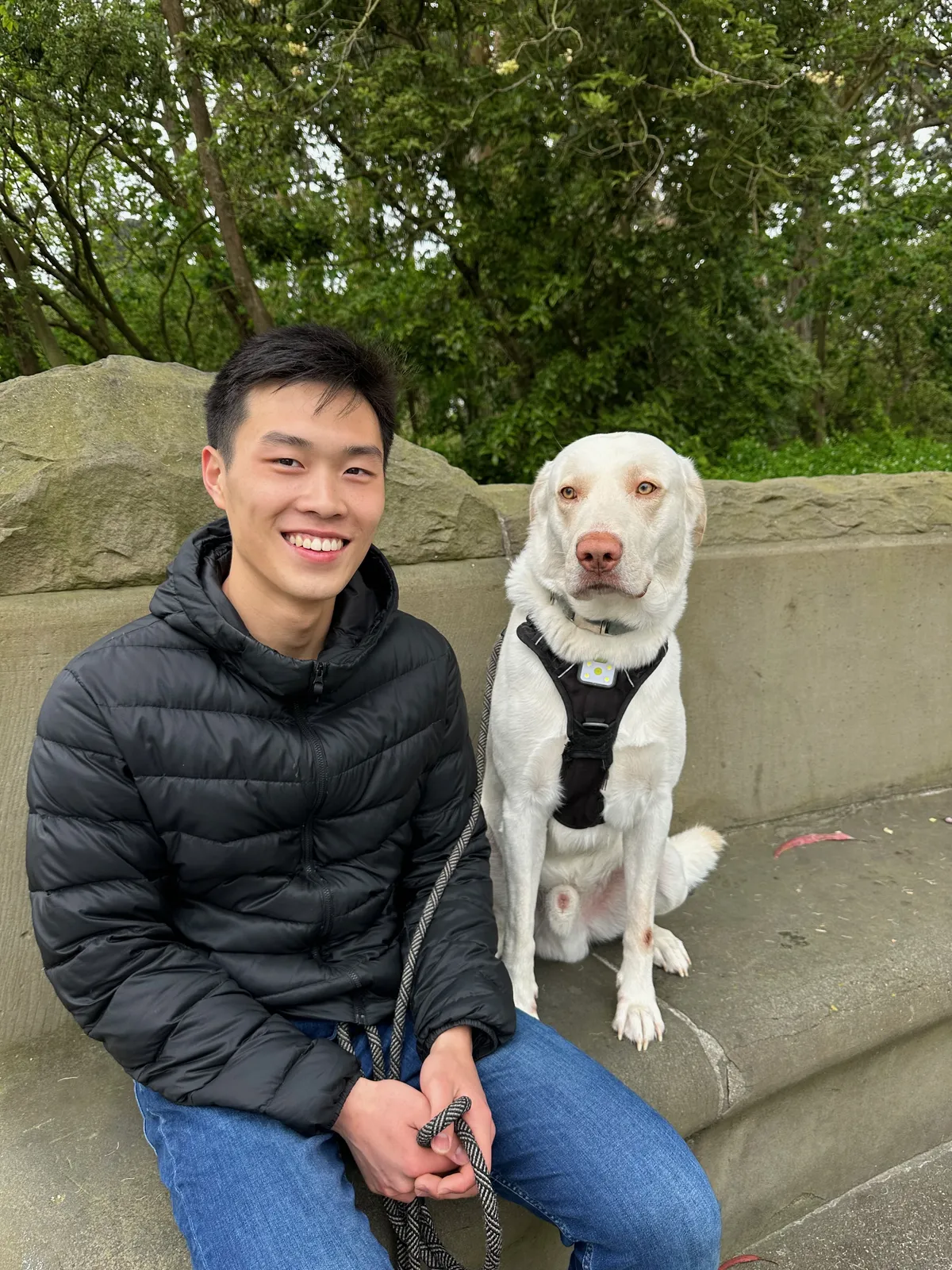
After transferring to Santa Clara University in my sophomore year, I moved back to live with my parents. While the diet was obviously more diverse and tasty (thanks Mom!), it was still the same diet, just with more allotted calories. I actually don't remember a turning point in the extra allotment, but rather felt the need to eat more once I moved back, possibly because I was able to start climbing regularly again, or just being in the presence of parents who want to see you eat more. I'd yet again returned to and maintained my original weight of 70 kg with relative ease:

However, I was still hungry all. the. fucking. time. The absolutely bonkers thing about it was that I felt satiated at the end of every meal, but no satiety. I distinctly remember eating breakfast at 7 a.m., driving to school, ending my first class at 10:20 a.m., and having to scarf down my lunch before my 10:30 a.m. class since I couldn't hold out till noon. Whenever I wasn't eating, I wished I were. To climb properly, I'd have to eat some fruit or packaged fig bars with plenty of sugar 1-2 hours before climbing.
Then, sometime around August of 2024, I came across a four-hour-long video titled The ketogenic diet in sport performance - 6 years of experiments and scientific evidence by Scottish rock climber Dave Macleod. In it, he claims within the first minute that the ketogenic diet is "highly useful for some ... athletes, some of the time", backing this claim with 150 scientific papers. That nuance was what caught my attention, since I had recently gotten sick of listening to ad-ridden and extremely confident podcast hosts such as Andrew Huberman and Joe Rogan (yes, I'm sorry I was a podcast boy).
I'll be very clear: I was extremely skeptical at first, especially with the emphasis on consuming more red meat and eggs, which I had been told by family members (even my cousin, a board-certified pediatric hematologist-oncologist) were sure to raise my cholesterol and cause problems down the line (more on this later). But given that I had no other option in mind to fight this lingering hunger, and the fact that any diet was probably unlikely to affect me in the long term even if I stuck with it for a year, I said fuck it and started doing it. As per recommendations made in this and other videos, I set out to eat around 5-8 eggs alongside some steak in the morning, more steak at lunch, then even more at dinner, allowing myself berries, peaches, and mangoes for sugar cravings. The amount of steak and fruits would vary based on my feelings of satiation and satiety.
My experience
I'll start with my subjective experience, then link to blood panels for concrete health evidence.
The diet described above was as close to Dave's definition of an "athlete's" keto diet as I could get. While he mentions others, he did not go into those with as much detail, so I chose to not push my curiosity any further.
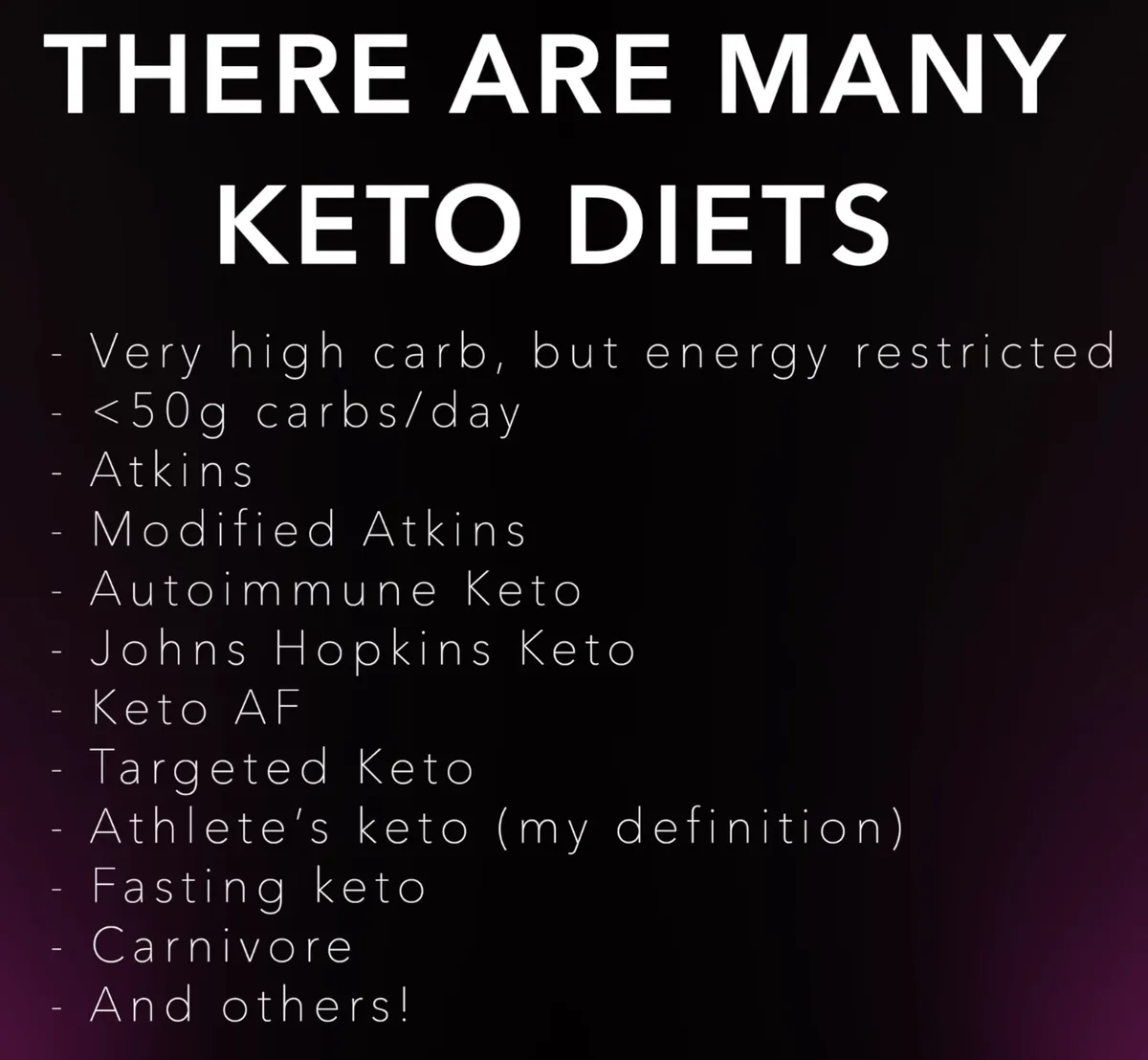
I quickly found out that eating three meals a day was simply not going to be possible. I literally couldn't eat that often as I didn't feel hungry to do so, which amazed me! And as it turned out, even eating steak in the morning with that amount of eggs was too much food, and I only really ate steak for dinner. I could go hours without even thinking about food, and I ate when I felt the need rather than counting down the hours for when I "should" eat. I also noticed the urge for sweets was satisfied by fruits when I sufficiently abstained from desserts. Whenever I indulged in desserts, I noticed that they were either much sweeter than before or very muted in flavor.
An important note I should mention is that the amount of fat to eat took a bit of time to get used to. At first, I was still trying to eat mostly lean meats and avoided the fat, but quickly realized that in order to avoid overeating meat, I'd actually need to eat more fat. I had my first aha moment when the night before going to school, I had indulged in a lot of cheese (as a lactose-intolerant person, I will defend this), and found that the next day I felt unable to eat anything, even if I had wanted to. I was simply too full!
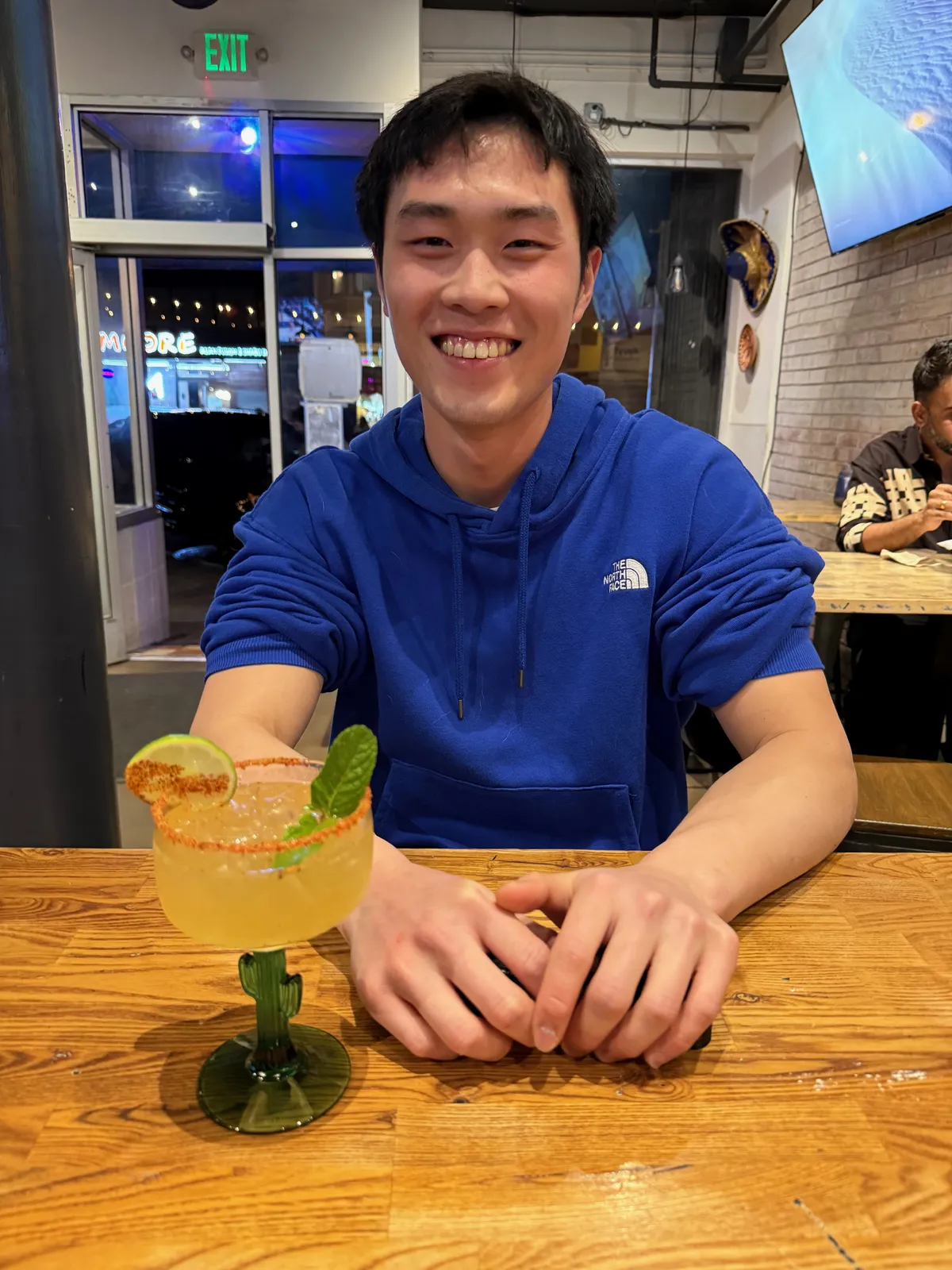
As for my climbing, I could go without eating for hours before and be totally fine, if not better. While the first couple of weeks were sluggish and hard to get through, I soon returned to normal and started performing as usual. While my max climbing grade was (and still is) capped by the gym's setting limits (i.e., V10 and 5.13c), I note that the volume of climbing I could do per session in addition to my onsighting grades went up, while my injury rate went down. Of course, whether this is due to a better training strategy is a whole other debate, but I simply list this here in case it is relevant. Relatedly, my weight has since climbed and remained at 72 kg (160 lbs), and many others have commented on my bigger physique, even though I cannot tell myself.
This is all good and well, but what about my health? My parents will tell you that as a kid, I'd get sick all the time. If I had to estimate, it'd likely be 6-12 months a year. After the diet, I've rarely gotten sick since then, with any incidents due to food poisoning rather than a cold. I also started taking 5000 IU of vitamin D daily, which is a huge confounder and likely makes this point weaker. Regardless, here are the results from three blood tests I've done roughly every six months (note that 1) some may contain extraneous or missing values, plz excuse my lack of scientificness, 2) tests with only one value were omitted since that would be rather useless, and 3) the x- and y- axes differ per plot):
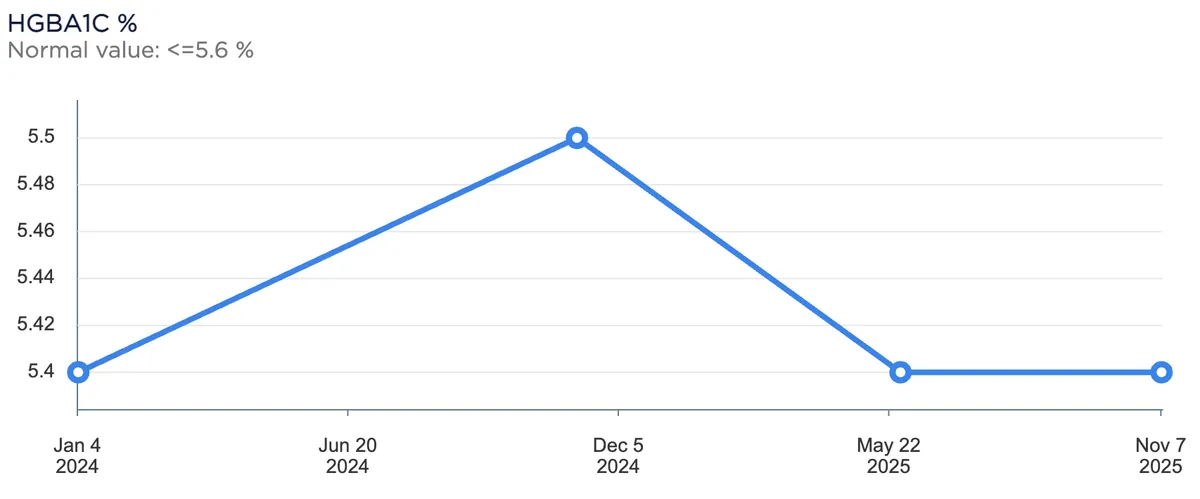
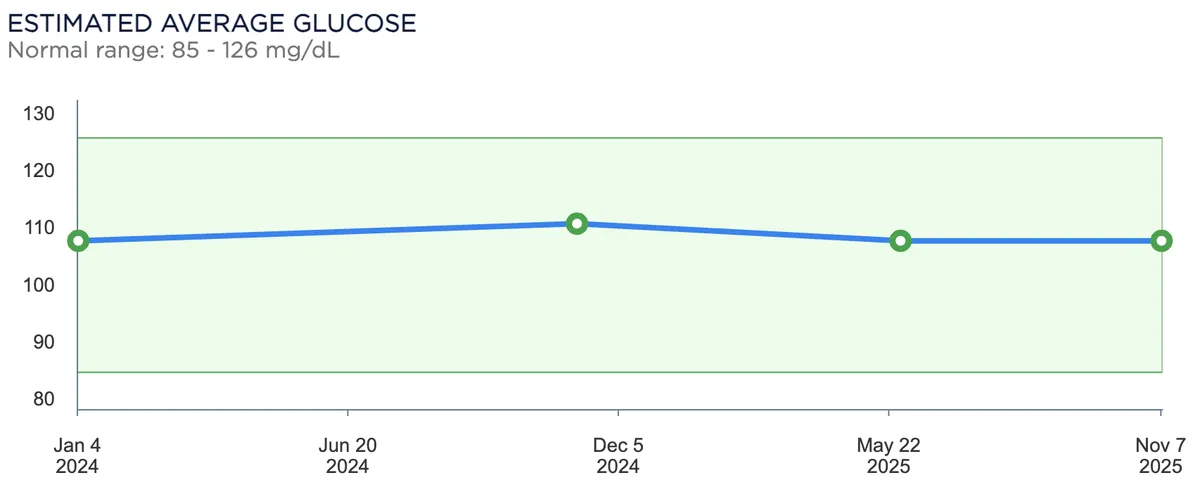
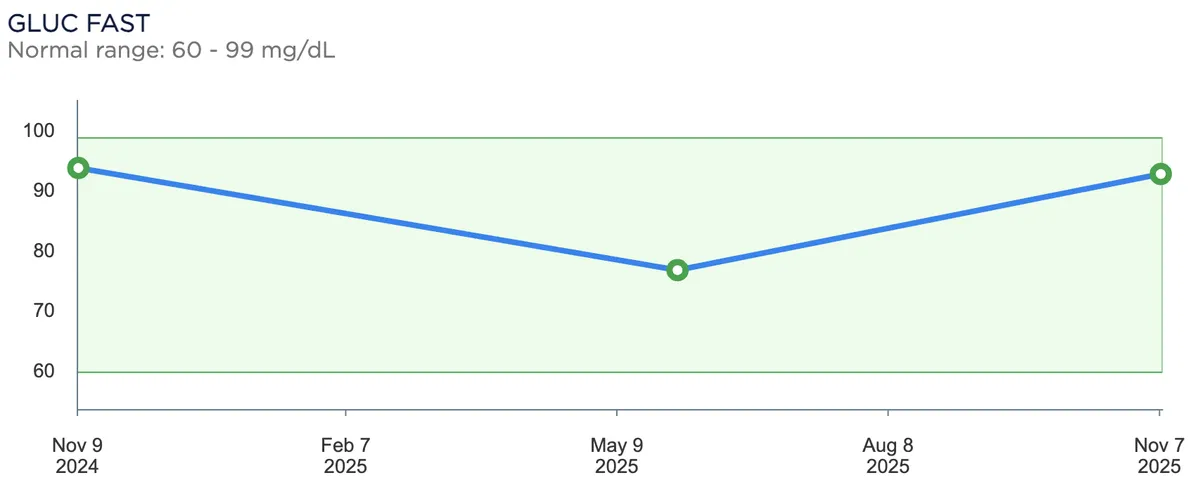
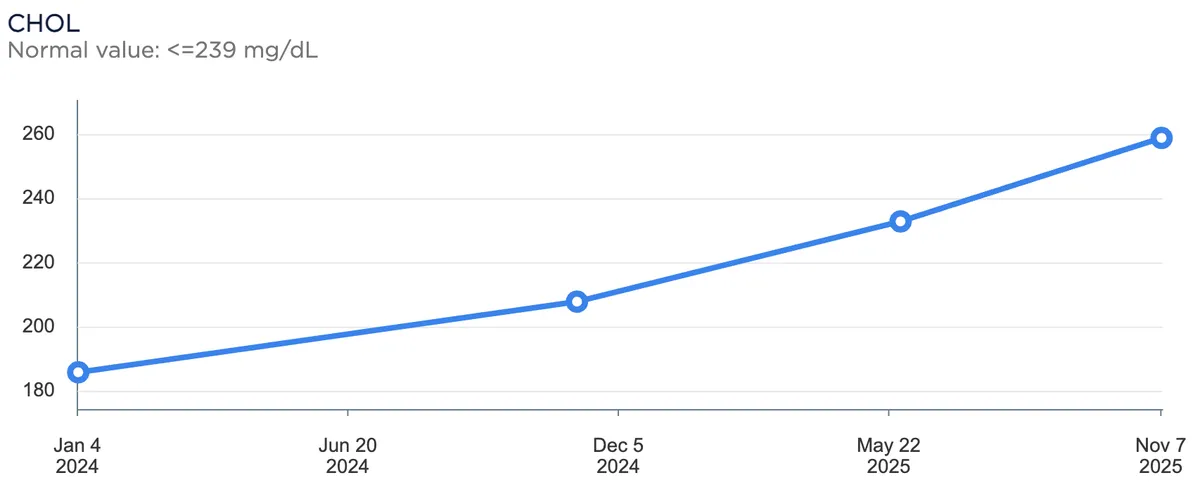
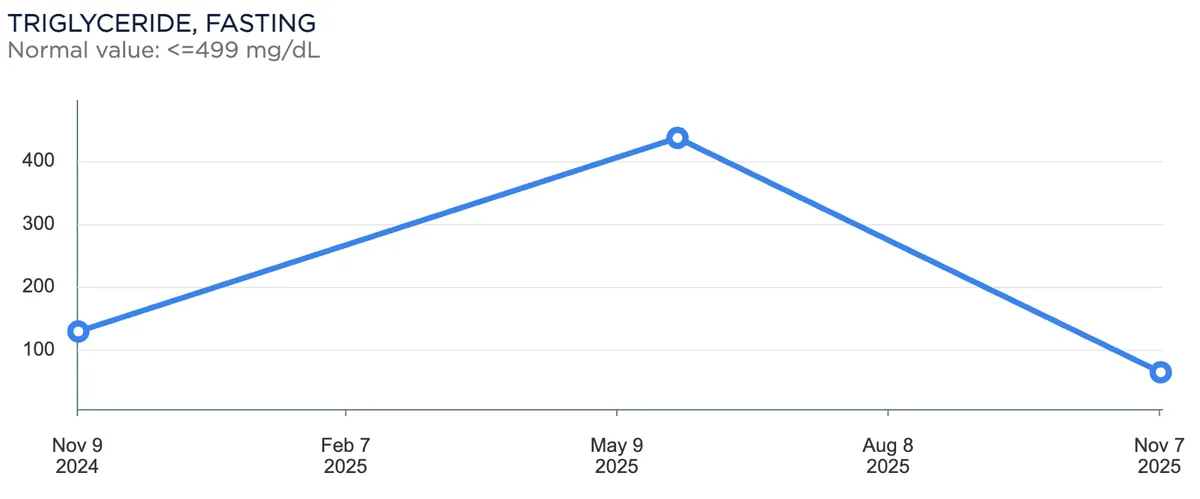
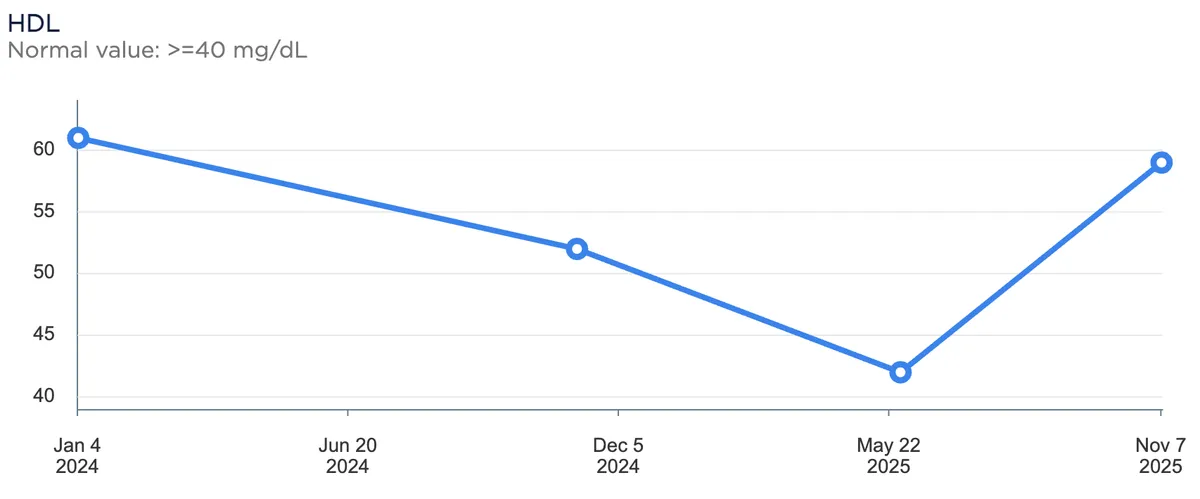
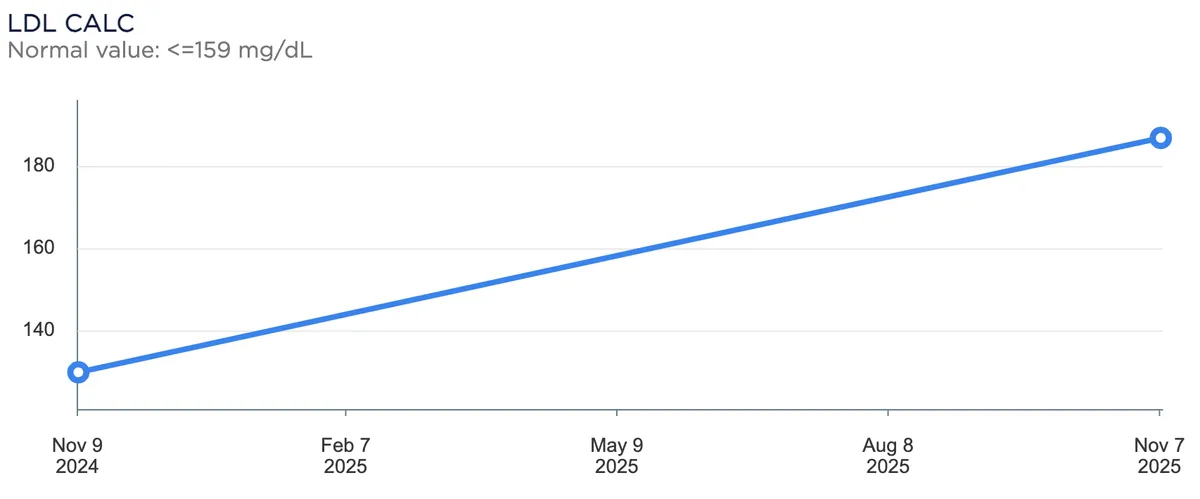
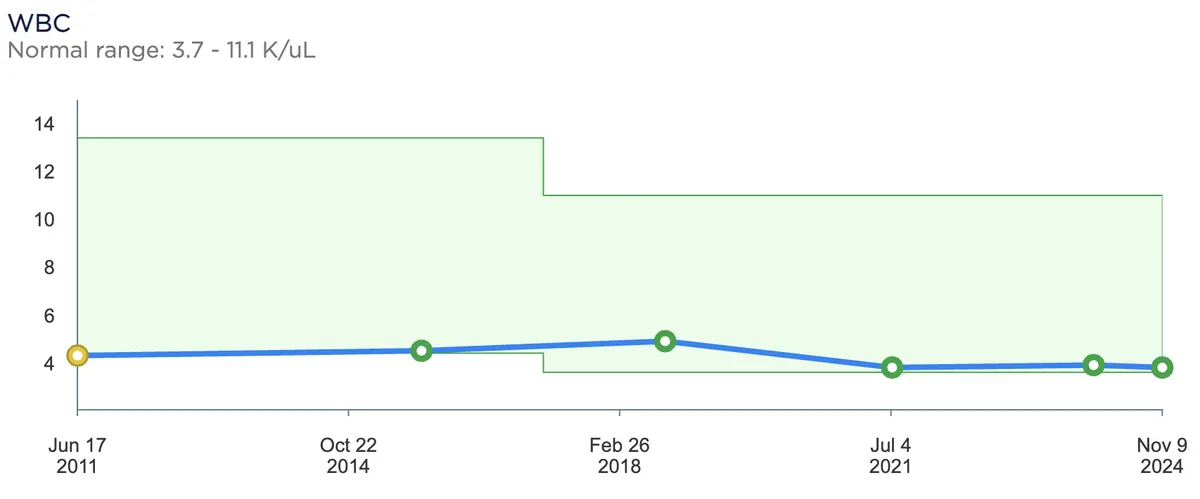
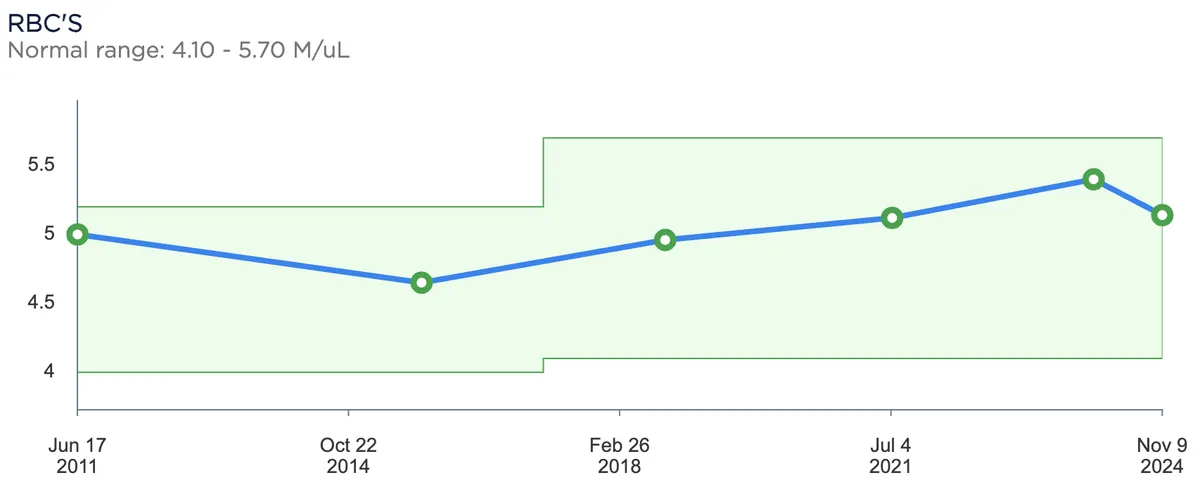
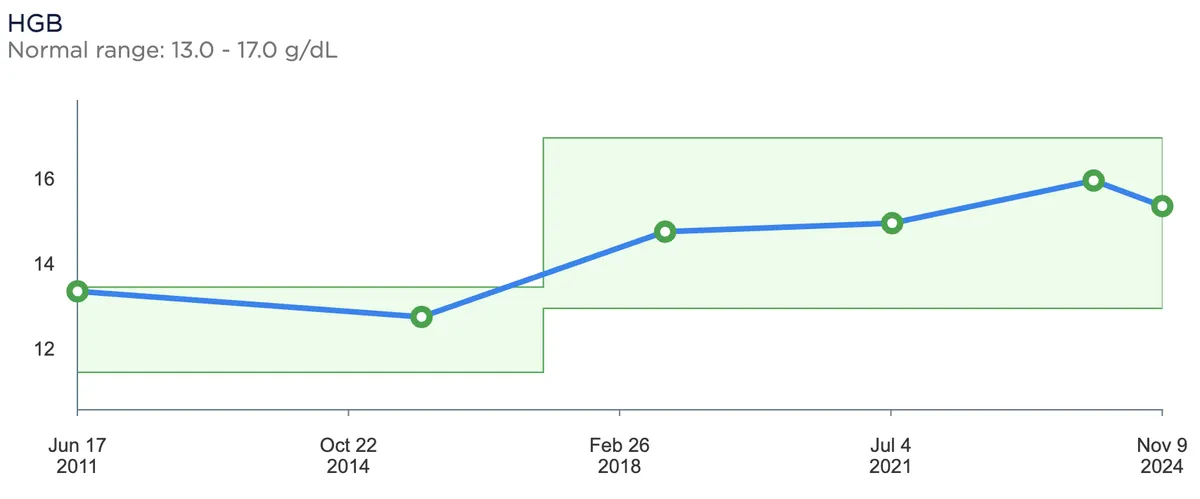
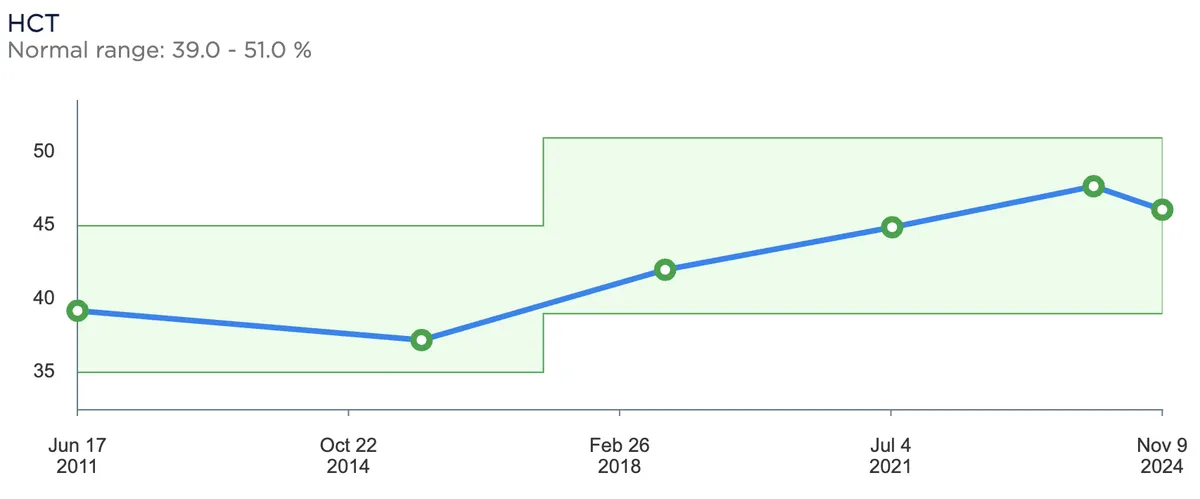
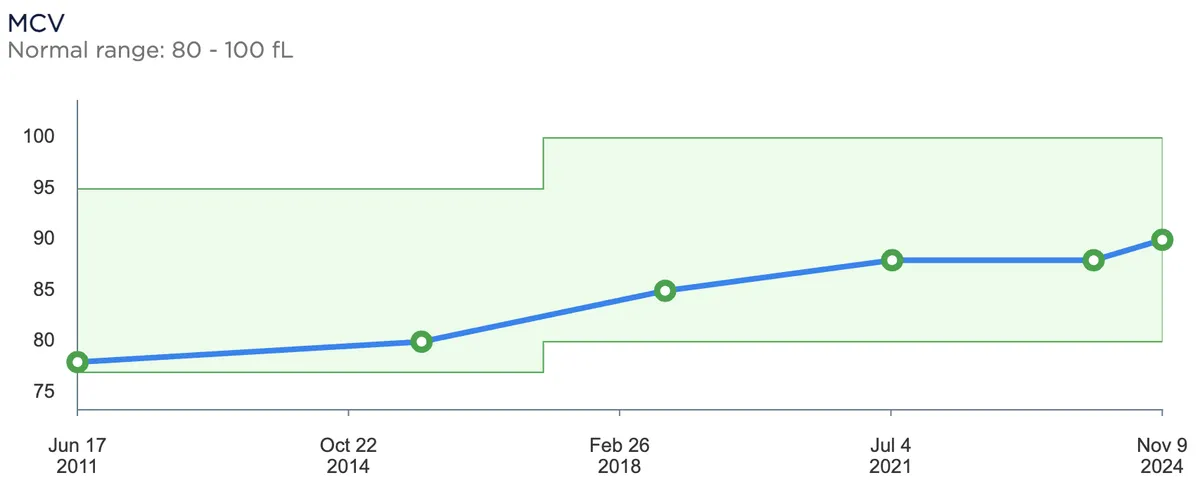
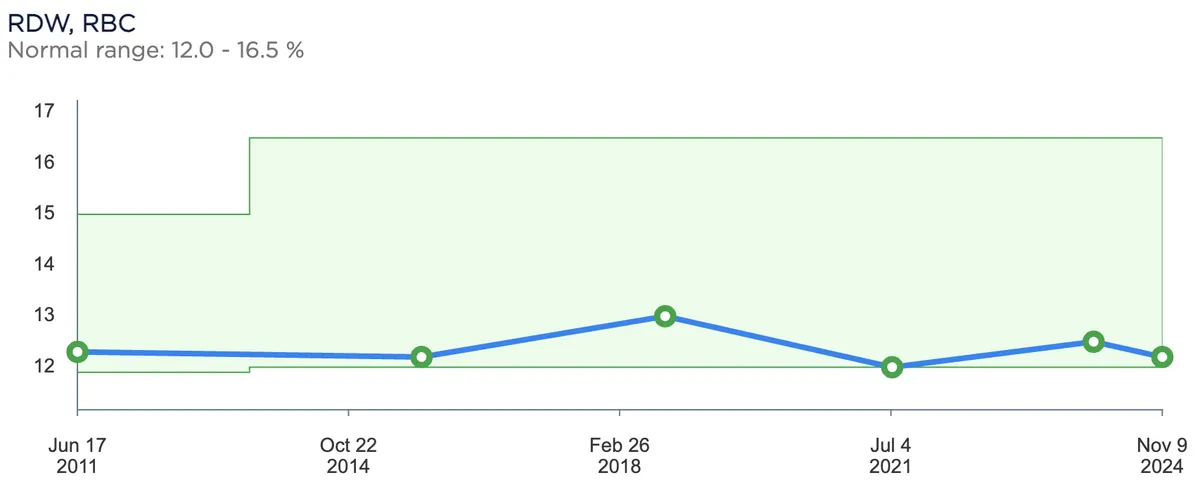
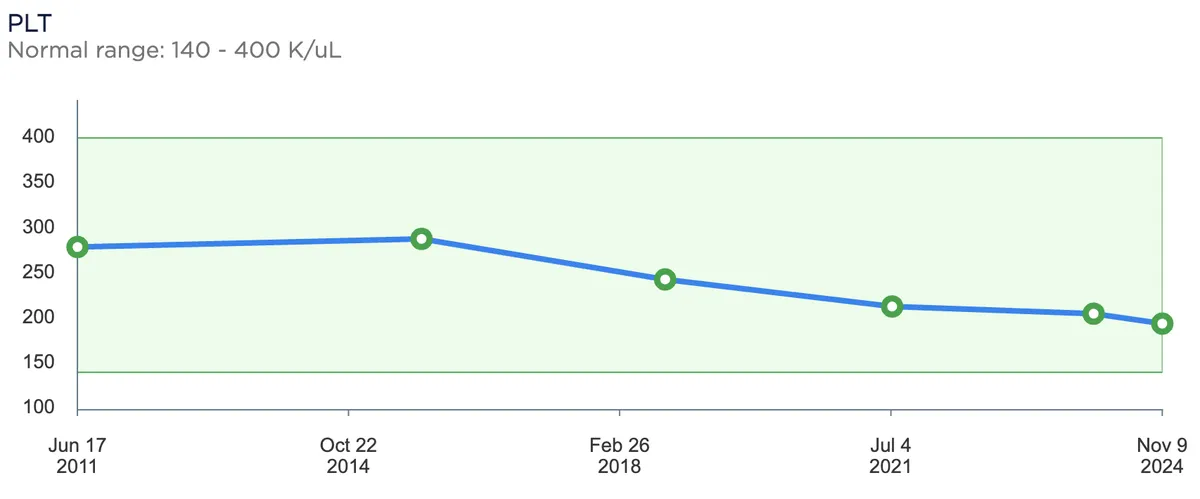
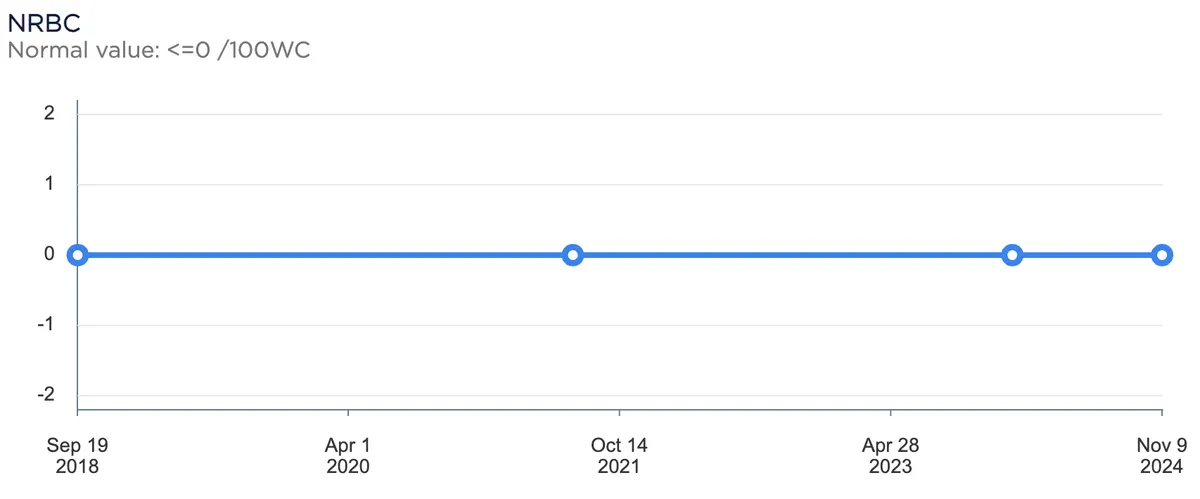
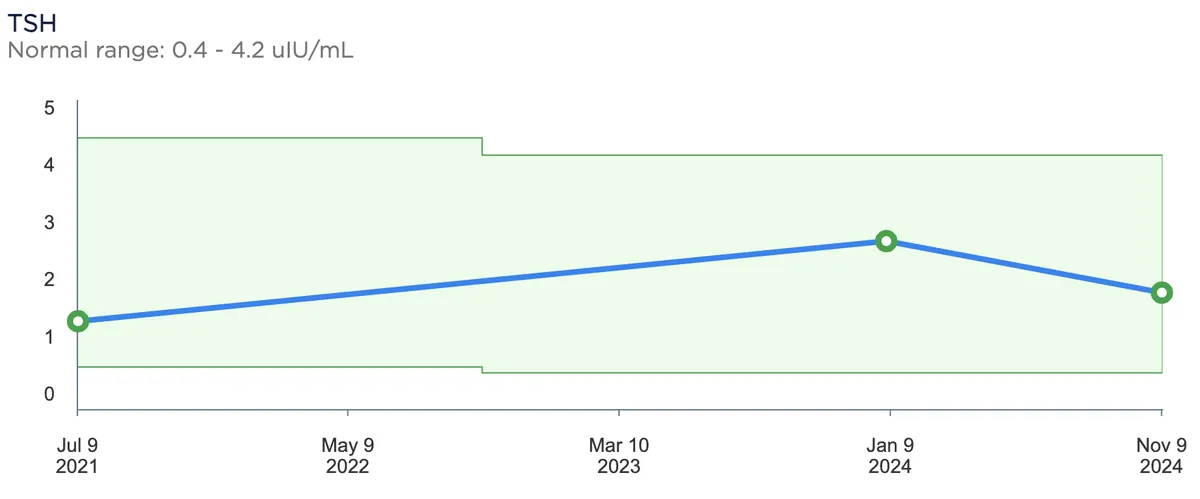
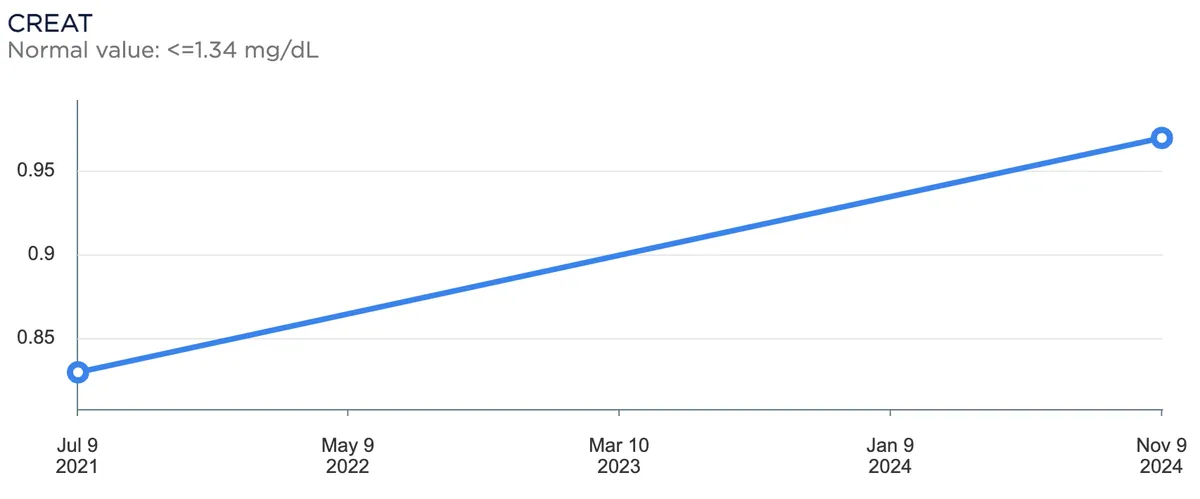
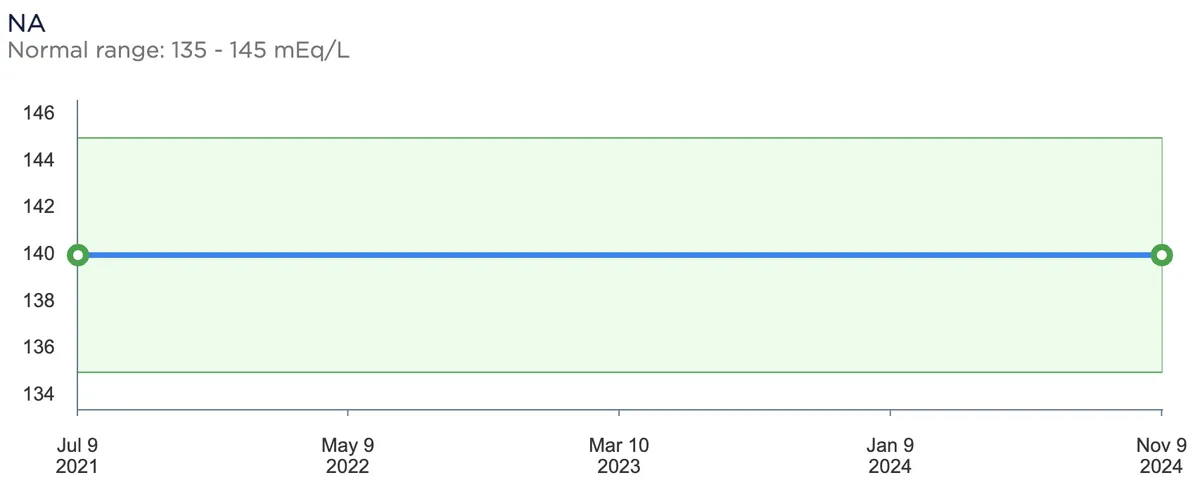
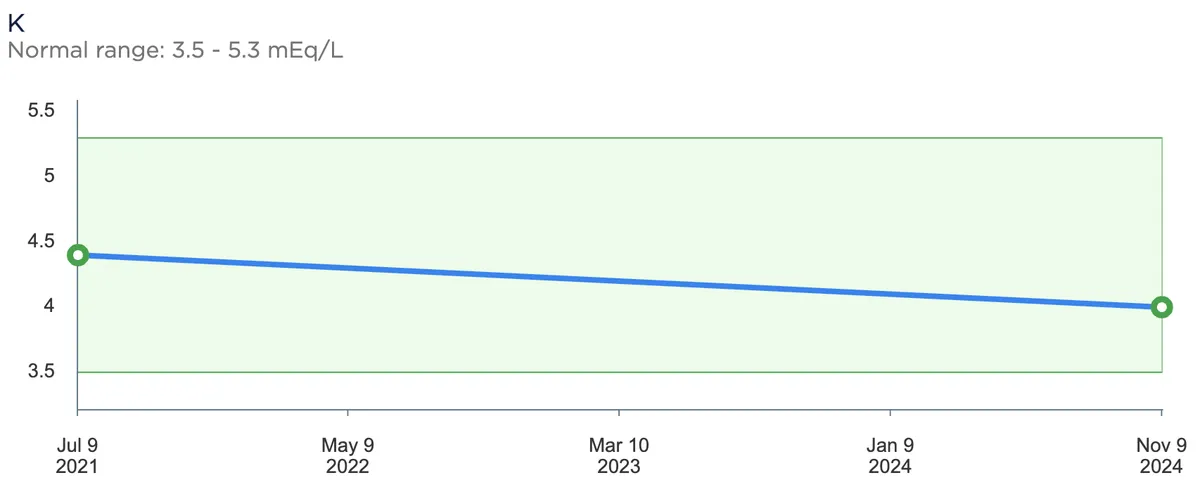
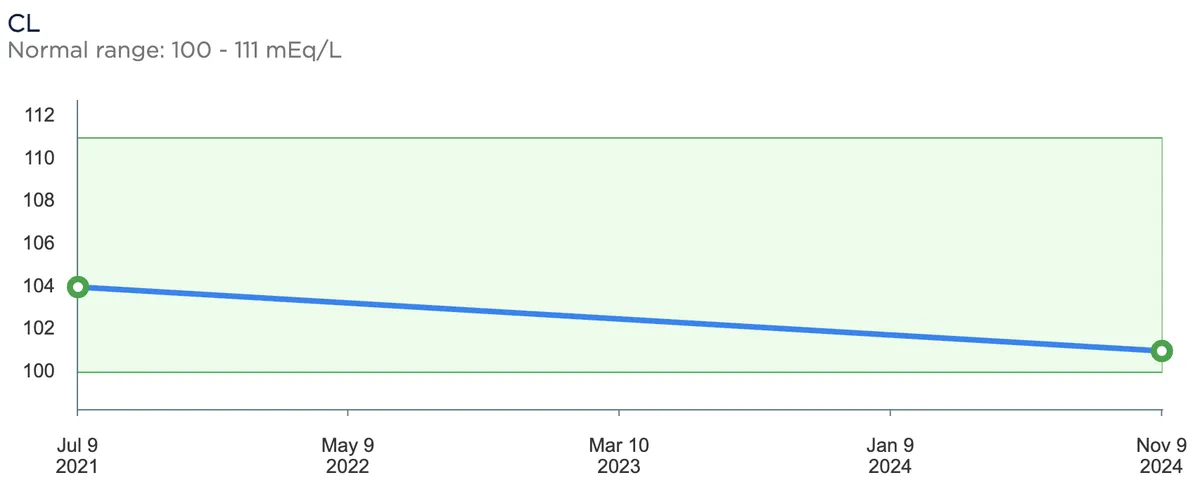
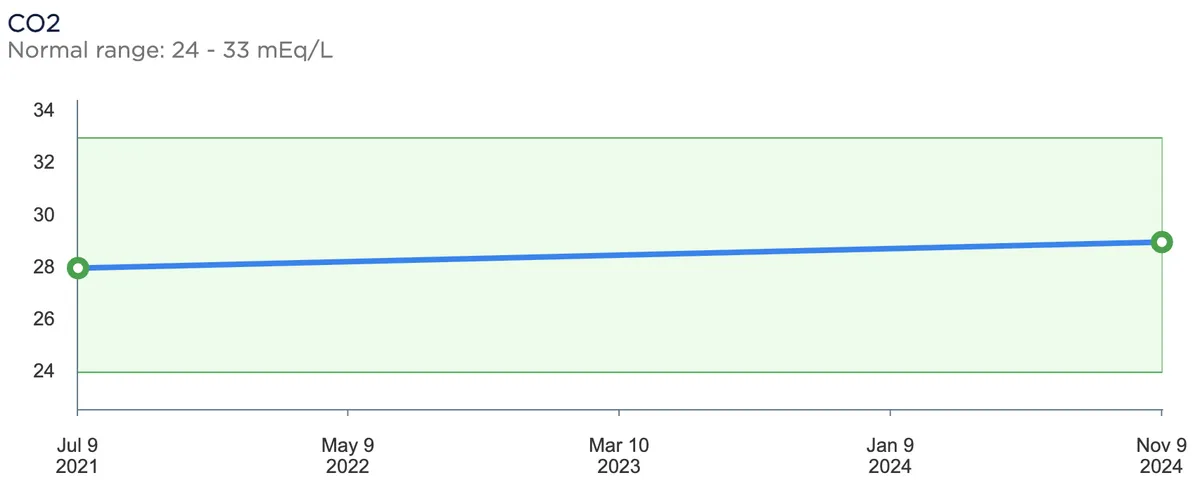
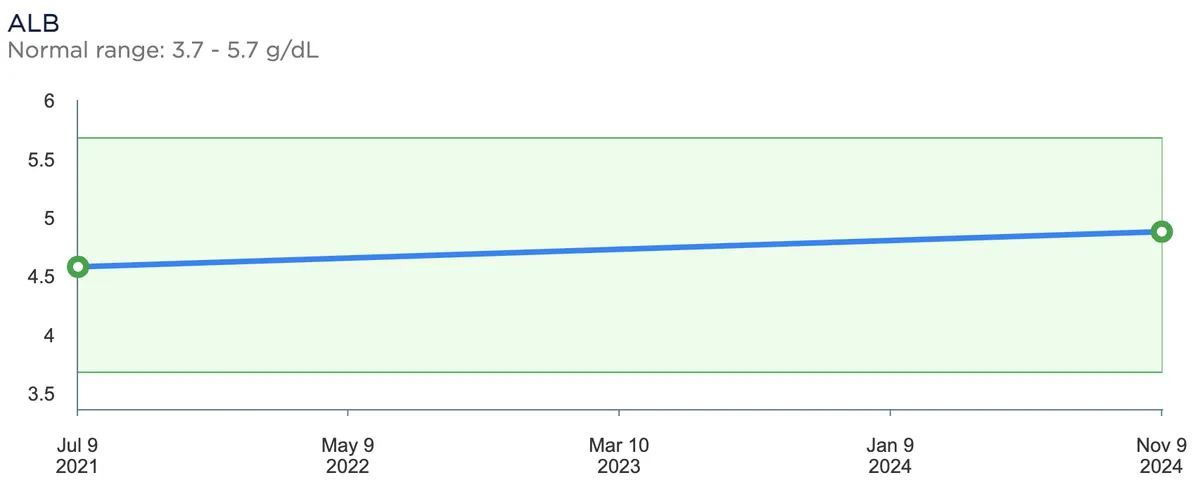
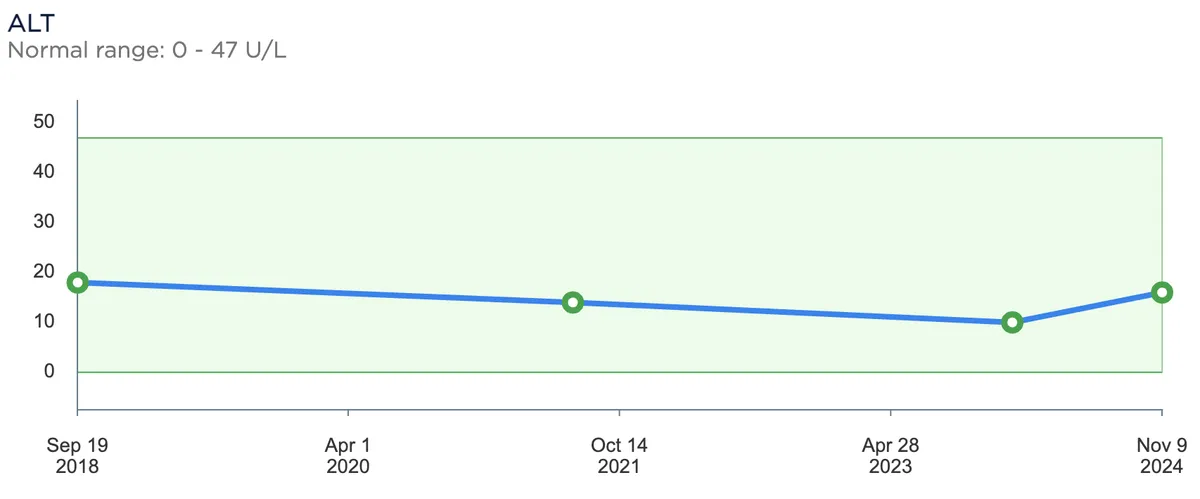
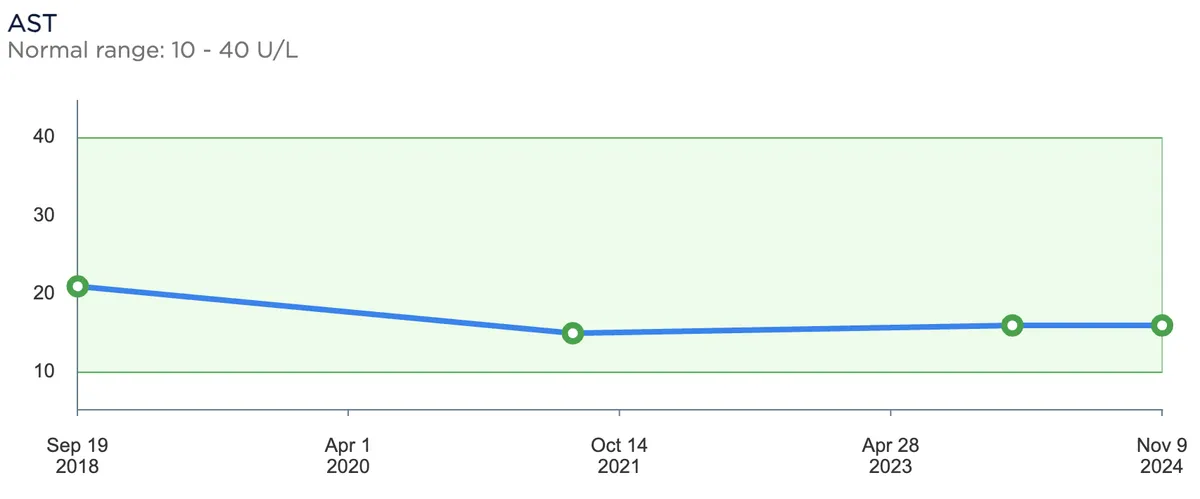
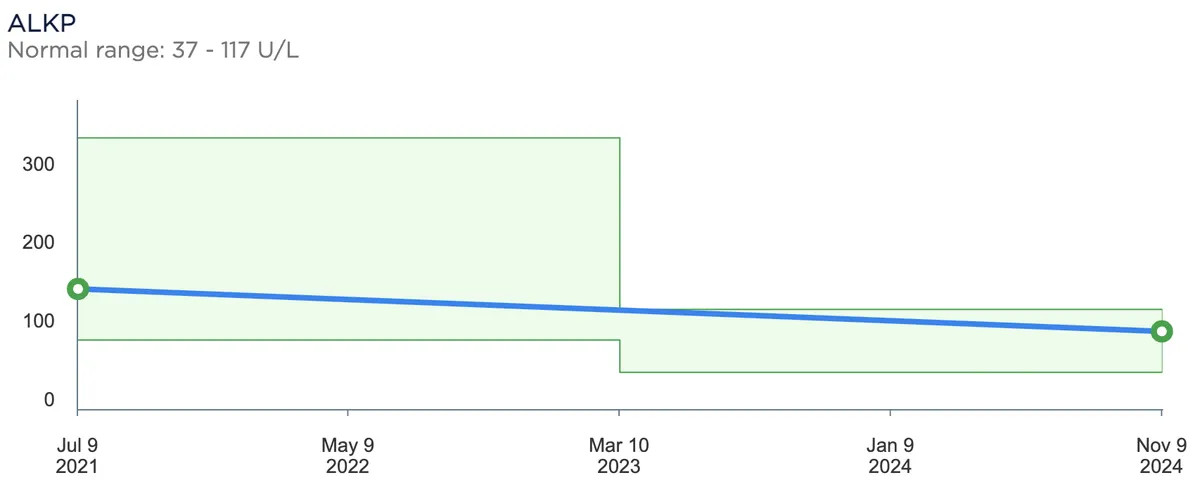
I leave these here without commentary and will address them as we get to the research later.
Research
I'll first address the health concerns commonly associated with the diet, then how it affects performance across different sports and ability levels.
Health
TODO
Sport performance
TODO